Get to know us
Out-of-School Children in Northern Nigeria
Recent data from UNICEF and other sources indicate that Nigeria has one of the highest numbers of out-of-school children globally, with approximately 18.3 million children out of school as of late 2024. This figure has risen from earlier estimates, such as 13.2 million in 2015. The issue is disproportionately concentrated in Northern Nigeria, where poverty, insecurity, cultural norms, and inadequate infrastructure drive the problem. Northern states account for about 69% of Nigeria's out-of-school children, with girls making up around 60% of this group in the region. https://www.unicef.org/nigeria/stories/children-adjust-life-outside-nigerias-almajiri-system
Based on 2023 UNICEF data
Almajiri System and Its Link to Out-of-School Children
The Almajiri system, a traditional Islamic education practice prevalent in Northern Nigeria, involves sending boys (typically aged 5-15) away from home to study under religious teachers (Mallams). While rooted in community values, it has devolved into a system where many children end up begging on streets, exposed to exploitation, health risks, and recruitment into extremism.
The Almajiri system, historically rooted in Northern Nigeria's precolonial Islamic scholarship, has devolved into a complex humanitarian crisis. Once a revered educational tradition, the system is now associated with street begging, child neglect, disease vulnerability, and radicalization risks. This paper critically examines the historical evolution and current realities of the Almajiri system, highlighting how colonial disruption, post-colonial policy failures, and socio-economic inequalities have transformed it into a breeding ground for child vulnerability. The analysis reveals a range of adverse health outcomes, including malnutrition, communicable and non-communicable diseases, and untreated mental health conditions. The paper also underscores the system’s link to broader legal and security concerns, including violations of child rights, susceptibility to recruitment by extremist groups, and potential global health risks such as antimicrobial resistance. Despite numerous reform efforts, entrenched cultural norms, governance deficits, and poor implementation continue to hinder sustainable solutions. Addressing the Almajiri crisis requires culturally sensitive reforms rooted in historical understanding, public health imperatives, legal accountability, and multisectoral collaboration. Without urgent and sustained intervention, the Almajiri system will remain a major barrier to national development and global health security.
Umar SI, Maaji SM. From sacred education to street exploitation: the Almajiri Crisis in Nigeria as a nexus of public health failures, legal paralysis, and global security risks. Philos Ethics Humanit Med. 2025 Sep 30;20(1):23. doi: 10.1186/s13010-025-00191-1. PMID: 41029462; PMCID: PMC12487096.
Our mission
Inclusive Restoration & Human Development Initiative exists to restore dignity and expand opportunity for marginalized and post-conflict populations by delivering inclusive rehabilitation, accessible education, and literacy-driven reintegration programs that empower individuals to rebuild independent and meaningful lives.
Our vision
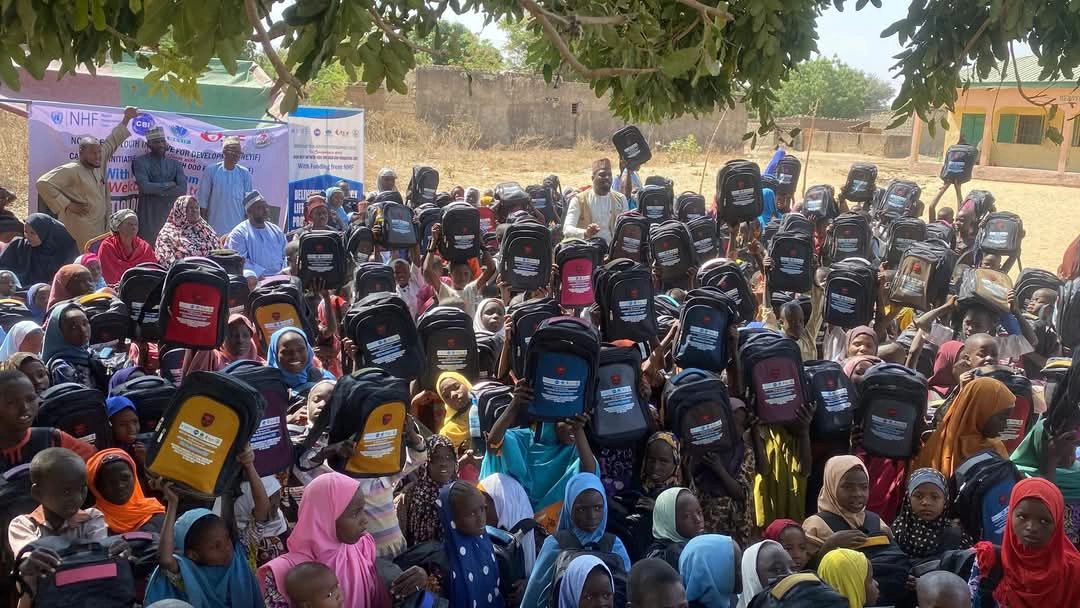
We envision inclusive and resilient communities where survivors of conflict, persons with disabilities, out-of-school children, Almajiri, and incarcerated individuals have equitable access to education, rehabilitation, and pathways to human development—enabling them to contribute fully to society with dignity and purpose.
Our team
The Inclusive Restoration & Human Development Initiative is led by a multidisciplinary team of community-rooted professionals, educators, and development practitioners.
Many members of our leadership and program teams have lived experience of poverty, displacement, interrupted education, and post-conflict hardship.
These experiences inform our approach, ensuring our programs are practical, culturally responsive, and grounded in dignity. Our team combines lived experience with professional training to design and deliver inclusive rehabilitation, education, and literacy programs that respond directly to the realities of marginalized communities.

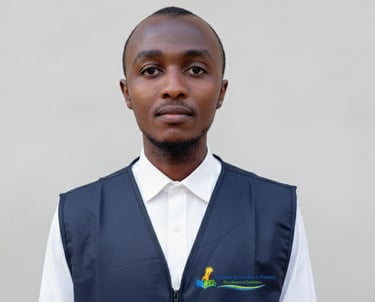
ZAKARIYA UMAR
Founder / EXECUTIVE DIRECTOR
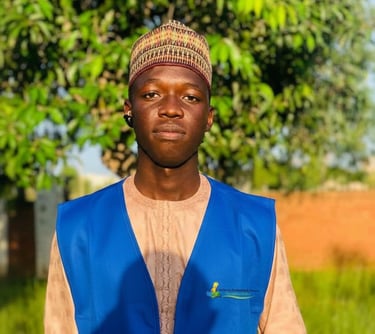
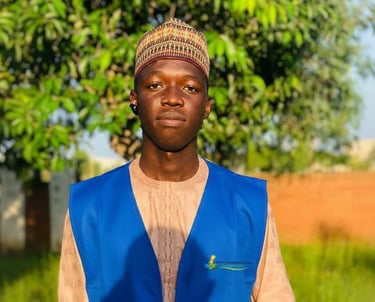
ABUBAKAR ALI
DIRECTOR OF OPERATIONS AND ADMINISTRATION
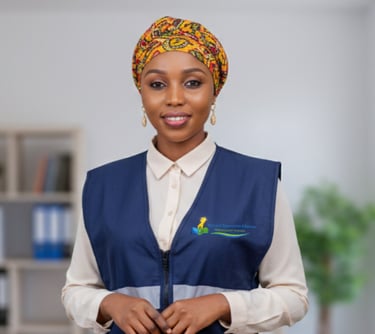
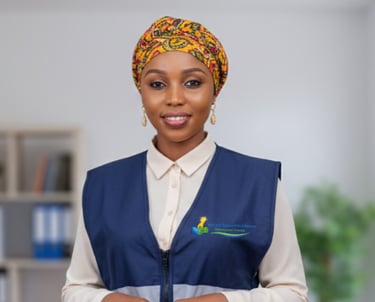
AMINA MOHAMMED
Partnerships, Advocacy & Resource Mobilization Lead


BULAMA HABIB
DIRECTOR OF PROGRAMS AND REHABILITATION